


Peterborough County Economic Development hosted a local Lakefield Business Meeting on Wednesday October 14 to discuss how they may be able to help local businesses during the bridge closure next spring.
The County is undertaking a bridge rehabilitation project that would see the only crossing of the Otonabee River into or out of the village shut down to one-lane traffic starting as early as next spring and lasting into September of 2027.
Earlier this year, the county announced that both the Otonabee River Bridge and the Trent Canal Bridge are scheduled to undergo structural rehabilitations in 2027. The rehabilitation will address the ongoing structural issues with the concrete elements and provide improvements to the driving surface to extend the useful life of the bridge.
According to their website, the scope of work will include
• Asphalt pavement replacement
• Bridge deck concrete patching
• Bridge deck joint repairs
• Sidewalk and railing replacement
• Retaining wall repair
The County website also states that traffic impacts are expected during construction, with the longest delays anticipated to occur during the peak morning and afternoon hours.
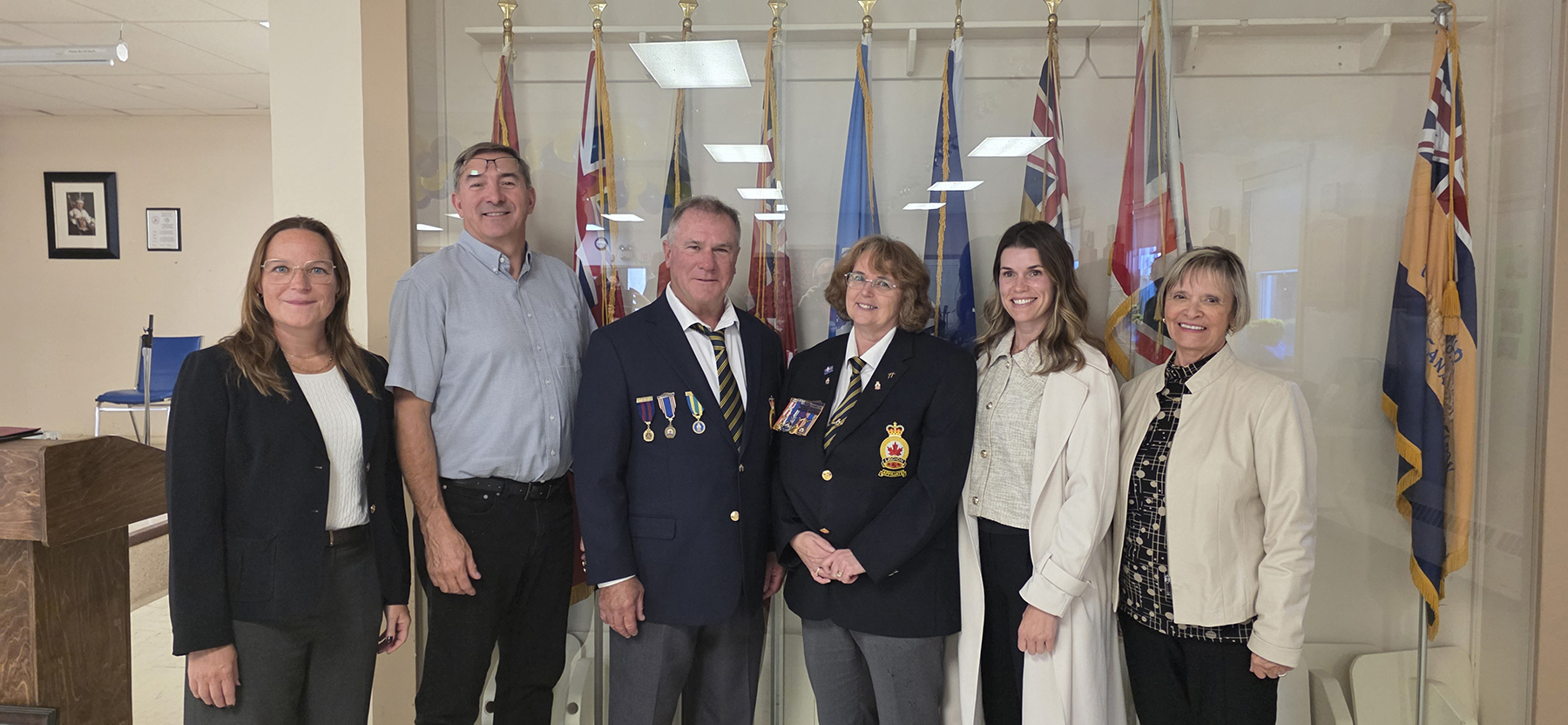

The Royal Canadian Legion - Branch 77, Lakefield is celebrating their 100th anniversary this year. Their official anniversary date is November 13th, but due to how busy November is with Remembrance Day, they held their party on October 17th. Everyone was welcome to attend and there was a large crowd that came out to celebrate. There was lots of memorabilia from the last 100 years - pictures, plaques, newspaper articles and scrolls received over the last 100 years were displayed. Everyone got to enjoy the snacks, the BBQ the cake and the music. There were special guests that came to congratulate them - pictured L-R - Heather Watson mayor of Douro-Dummer, Dave Smith our MPP, Don Calberry, 1st vice-president of the Lakefield Legion, Lorna MacDonald, president of the Lakefield Legion, Emma Harris our MP and Sherry Senis, deputy warden of Peterborough and the mayor of Selwyn. Special tributes were given to past-president Jim Marsden by president Lorna and some of their special guests.

Election Day is right around the corner and every vote counts!
Across the East Kawarthas, candidates in the municipal election have been campaigning for resident’s votes for several months now.
Many all-candidates meetings have been hosted to inform residents on each candidate and their views on important municipal issues, concerns, events, and more.
Election Day is October 26, 2026.
The Lakefield Herald has published profiles on each candidate in Douro Dummer, North Kawartha, Selwyn, and Trent Lakes throughout the election period.
Here are some details for the last minute voters!
Douro Dummer
In Douro Dummer, there are a total of 16 candidates running in the municipal elections.
Warden Bonnie Clark and Taras Kuchma, Mayor of Drohobych Urban Hromada, Ukraine, today signed a formal twinning agreement, establishing a new international partnership between the two municipalities and marking a significant milestone in Peterborough County’s commitment to global cooperation, knowledge sharing and community-building.
“Today marks the beginning of a meaningful relationship between our communities. This twinning agreement reflects our shared commitment to cooperation, resilience, and mutual learning.


This short documentary is a portrait of a tiny town, Lakefield, Ontario, and its independent weekly, the Herald. Across North America, newspapers are dying, but in Lakefield, Terry McQuitty, the town paper’s publisher, carries on a rich, 150-year-old tradition. Set to the pace of small-town life, Unheralded is a testament to the vital role newspapers can still play, and the close bond between reporter and reader.
